The Growing Popularity of Fitness Culture
As we step into the latter part of 2026, the fitness culture continues to expand, intertwining with various sports disciplines. More than ever, individuals are recognizing the importance of maintaining not just a healthy body, but also a vigorous lifestyle that emphasizes overall wellness. This synergy between fitness and traditional sports is shaping new trends and approaches that appeal to a diverse audience.
Emerging Fitness Trends Influencing Sports
1. Hybrid Training Methods
In 2026, hybrid training has gained traction among athletes and fitness enthusiasts alike. This approach combines various training styles, including strength training, yoga, and cardio, to enhance overall performance. Athletes are now looking beyond traditional sports training to incorporate fitness strategies that improve flexibility, balance, and stamina.
2. Group Fitness Activities
Group settings are becoming increasingly popular for athletes seeking motivation and community support. From boot camps in parks to specialized group classes at gyms, these activities foster camaraderie and encourage individuals to push their limits. Many sports teams are incorporating group fitness sessions to enhance team bonding and improve individual performance.
3. Mind-Body Connection
More athletes are paying attention to the mental and emotional aspects of fitness. Practices such as Pilates and meditation are being integrated into sports training routines, providing competitors with tools to enhance their focus, reduce anxiety, and increase resilience. This holistic approach leads to improved performance and well-being.
Key Sports Influenced by Fitness Trends
1. Running
The running community has seen significant changes, with many athletes adopting strength training and flexibility routines to prevent injuries and enhance performance. Runners are becoming more educated about the importance of a well-rounded fitness regimen that includes cross-training and recovery techniques.
2. Team Sports
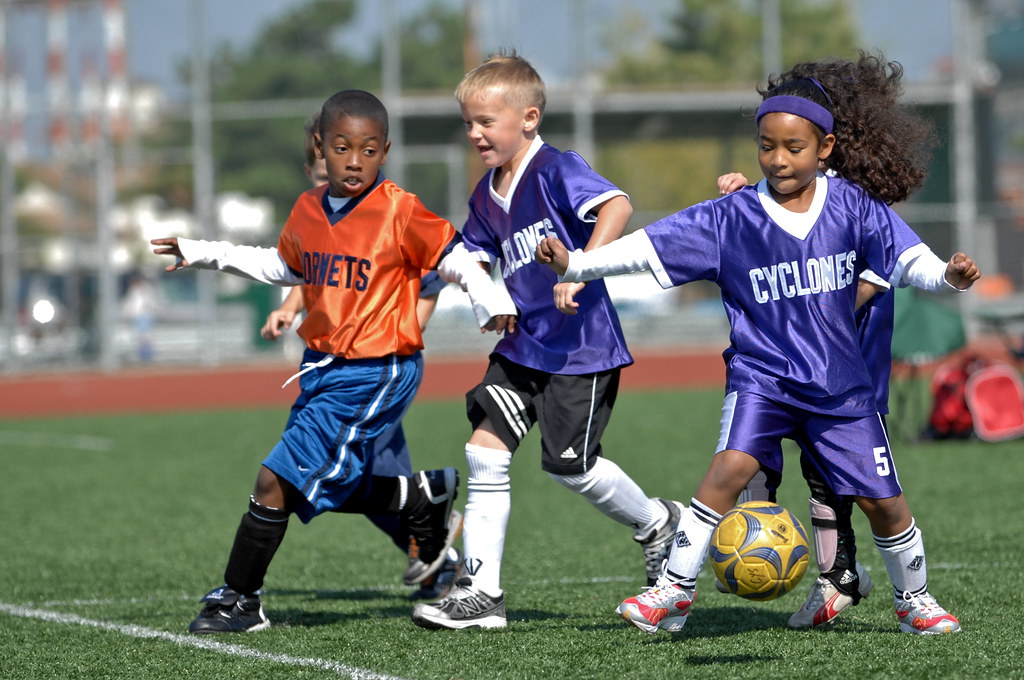
In team sports like basketball and soccer, coaches are integrating fitness programs that focus on agility, endurance, and strength. This shift aims to enhance athlete performance while reducing the risk of injuries, thereby providing players with the physical tools necessary for success on the field.
3. Combat Sports
Combat sports are also evolving with the influence of fitness culture. Fighters are increasingly incorporating functional fitness into their training, enabling them to develop the strength and endurance needed for rigorous matches. Moreover, mental training techniques are becoming commonplace, allowing athletes to refine their focus and strategy.
Technology’s Role in Merging Fitness with Sport
1. Wearable Technology
Wearable devices are revolutionizing how athletes track their fitness progress. From heart rate monitors to GPS watches, these gadgets provide valuable data that can be used to optimize training and performance. As technology evolves, so does the ability for athletes to monitor and adjust their training regimens in real-time.
2. Fitness Apps
Fitness applications are becoming essential tools for athletes. These platforms often include features like workout tracking, meal planning, and community engagement, making it easier for individuals to stay motivated. Additionally, many apps offer personalized coaching and training plans tailored to specific sports.
Community Engagement through Sports and Fitness
The intersection of fitness and sports is fostering stronger community ties. Local events, such as charity runs and fitness expos, are attracting participants from various backgrounds, encouraging a culture of inclusivity and support. As fitness becomes a communal activity, people are forming lasting connections that extend beyond the athletic sphere.
The Future of Fitness in Sports
Looking ahead, the future for fitness in sports appears promising. As we continue to embrace a holistic approach to health and performance, we can expect to see even more innovative training methodologies, community events, and technological advancements that enhance the athletic experience.
Conclusion
The seamless blend of fitness culture with sports is not just a passing trend; it signifies a profound shift in how athletes train and engage with their communities. As we progress through 2026 and beyond, this convergence will likely continue to evolve, providing richer experiences for both participants and fans alike.