The Role of Sports in Education: A Powerful Tool for Growth
In 2026, the intersection of sports and education has become increasingly significant. As schools and communities recognize the profound impact sports can have on young people’s lives, they are embracing athletic programs as a vital component of personal and social development.
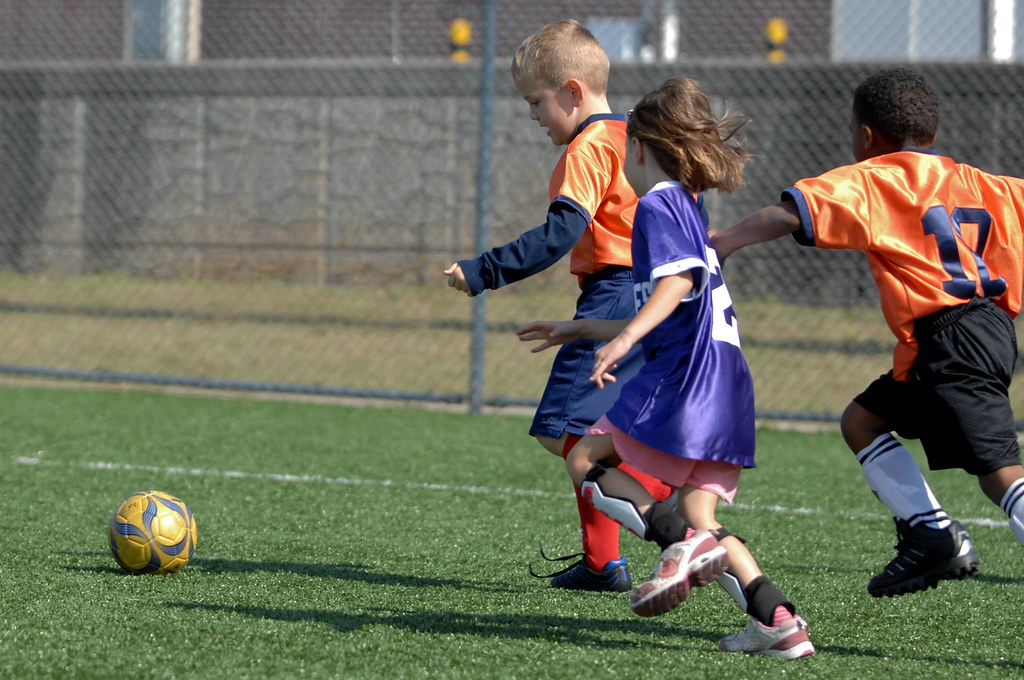
Enhancing Life Skills Through Sports
Participation in sports teaches essential life skills that extend far beyond the playing field. Here are some critical areas where sports education makes a difference:
- Teamwork: Collaborative sports require players to work together towards common goals, fostering a sense of unity and cooperation.
- Leadership: Sports naturally cultivates leadership qualities, as athletes often take on roles that require them to motivate and guide their teammates.
- Discipline: Committing to a sport demands dedication, time management, and perseverance, equipping young athletes with a strong work ethic.
- Resilience: Facing challenges and setbacks in sports prepares individuals to overcome obstacles in other aspects of life.
Encouraging Inclusivity and Diversity in Sports
In recent years, greater focus has been placed on making sports accessible to all young people, regardless of their background or abilities. Efforts to promote inclusivity in sports teams contribute to a more diverse culture:
- Breaking Barriers: Various initiatives aim to provide underrepresented groups access to sports programs, ensuring that everyone has a chance to participate.
- Promoting Gender Equality: Increased investment in women’s sports has encouraged young girls to pursue athletic endeavors, leading to a more balanced representation in various sports.
- Adaptive Sports: Expanding opportunities for athletes with disabilities allows for a wider range of participation and fosters understanding among peers.
The Health Benefits of Sports Participation
Engaging in sports is vital for physical and mental well-being, especially for the younger generation. Here are some notable health benefits:
- Physical Fitness: Regular participation in sports encourages an active lifestyle, combating obesity and related health issues amongst youth.
- Mental Health: Physical activity is linked to improved mental health, reducing anxiety and depression and enhancing overall mood.
- Social Interaction: Sports provide a platform for socializing, creating friendships, and building a support network, which is crucial for emotional development.
Integrating Sports in Educational Curricula
Recognizing the advantages of sports, many educational institutions are integrating athletics into their learning frameworks. This approach includes:
- Sports as a Subject: Schools are beginning to offer formal courses in sports science and physical education that teach students about the physical, social, and psychological aspects of sports.
- Extracurricular Activities: After-school sports programs are becoming mandatory in many districts, giving students ample opportunities for physical activity and social bonding.
- Partnerships with Local Sports Organizations: Collaborating with community sports clubs helps schools enhance their athletic offerings and provide students with mentorship opportunities.
Case Studies: Schools Leading the Change
Several schools around the world are successfully implementing innovative sports programs that serve as models for others:
- The Greenfield Academy: This school has introduced a unique curriculum that balances academics with athletics, leading to improved student performance across the board.
- Harmony High School: By partnering with local sports teams, Harmony High has created mentorship programs that connect students with professional athletes, inspiring them to pursue their passions.
- Riverdale School District: Implementing inclusive sports programs has significantly increased participation rates among students from various backgrounds, fostering a more cohesive school community.
Future Perspectives: The Role of Technology in Sports Education
As we progress into 2026, technology is playing a pivotal role in enhancing sports education and participation:
- Wearable Tech: Devices that monitor health metrics allow coaches and students to understand performance and make informed training decisions.
- Virtual Coaching: Online platforms have enabled remote coaching, providing access to professional training resources for students in underserved areas.
- Interactive Sports Education: Virtual reality provides immersive training experiences, making sports education more engaging and effective.
Conclusion: A Bright Future for Sports in Education
The growing recognition of the intrinsic value of sports in educational settings suggests a bright future. As sports continue to become an integral part of the educational landscape, we can expect to see a generation of well-rounded, physically fit, and resilient individuals ready to take on the challenges of tomorrow.