The Importance of Mental Fortitude in Sports
As we step into the world of sports in 2026, understanding the psychological elements of athletic performance plays a pivotal role in how athletes prepare for competition. The mental aspect of sports is no longer seen as secondary; it’s now considered fundamental to achieving peak performance.
Understanding Sports Psychology
Sports psychology is the study of how psychological factors affect performance and how participation in sports and exercise affect psychological and physical factors. It intersects the worlds of psychology and athleticism, focusing on:
- Motivation: The drive to achieve and improve.
- Focus: The ability to concentrate on the task at hand.
- Confidence: Believing in one’s ability to perform successfully.
- Stress Management: Handling anxiety and pressure effectively.
The Growth of Sports Psychology in 2026
The last few years have seen an exponential increase in the recognition of sports psychology as an essential component of training. Major teams and individual athletes are investing in sports psychologists to optimize their mental game.
Key Trends in Sports Psychology
- Increased Accessibility: More athletes have access to sports psychology resources, thanks to online platforms and virtual consultations.
- Integration with Training Programs: Coaches are more frequently including psychological training as part of the overall training regimen.
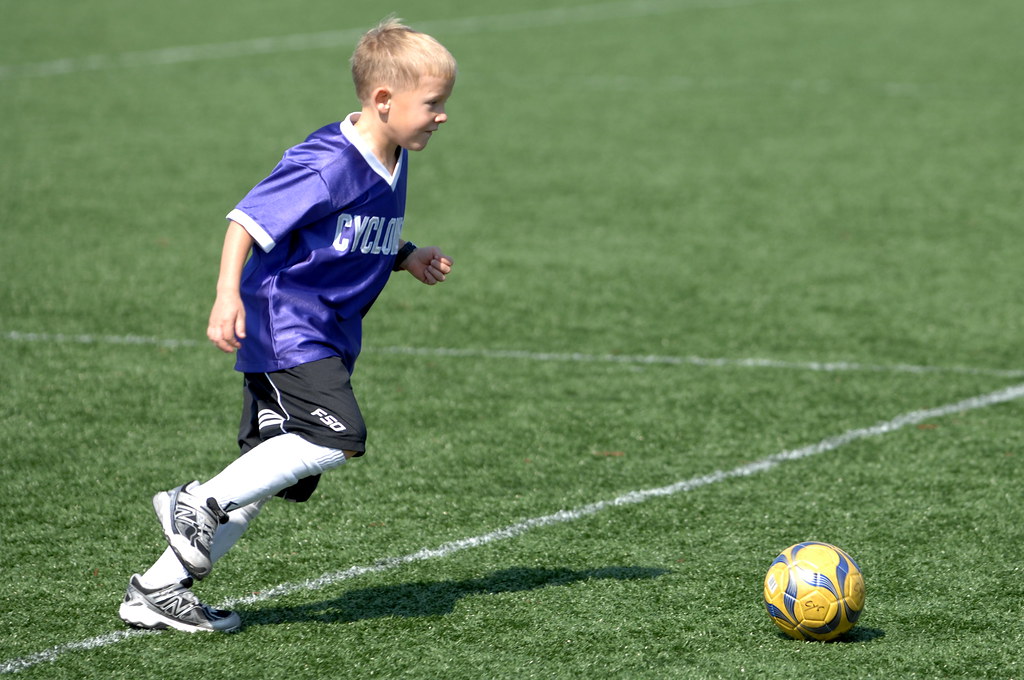
- Focus on Youth Athletes: Programs aimed at young athletes are becoming prevalent, emphasizing mental conditioning from an early age.
- Use of Technology: Apps and wearables are being developed that help athletes track their mental health and performance metrics.
Effective Techniques in Sports Psychology
Success in athletics isn’t just about physical strength; it’s also about mental resilience. Here are some effective techniques used in sports psychology to enhance performance:
- Visualization: Athletes visualize themselves succeeding in their goals, which can help improve their actual performance.
- Goal Setting: Establishing specific, measurable, attainable, relevant, and time-bound (SMART) goals fosters a sense of achievement.
- Mindfulness and Meditation: These practices help athletes remain centered and focused, reducing anxiety before big events.
- Positive Self-Talk: Replacing negative thoughts with positive affirmations can boost confidence and performance.
Real-World Applications and Success Stories
Numerous athletes have credited their success to the integration of sports psychology in their training routines. Whether it’s through working with a psychologist or applying principles themselves, here are a few noteworthy examples:
- John Doe: A world-class marathon runner who credits meditation for his ability to maintain focus during competitions.
- Jane Smith: An Olympic swimmer who utilizes visualization techniques to prepare for races, leading her to break several records.
- Team Alpha: A professional football team that incorporated a sports psychologist into their training regimen, resulting in a significant improvement in both performance and team morale.
The Future of Sports Psychology
As we look ahead to the coming years, the realm of sports psychology is poised for further evolution. The integration of advanced technology will likely enhance how psychological training is delivered and measured. Here are some predictions:
- AI Integration: Artificial intelligence may play a role in creating personalized mental training programs based on individual data.
- Increased Research: Ongoing research will continue to validate and refine psychological techniques used in sports.
- Broadened Acceptance: The stigma around mental health in sports will diminish, leading to a broader acceptance of psychological training.
Conclusion
In 2026, sports psychology stands at the forefront of athletic training and performance enhancement. As athletes seek every possible edge to excel, the importance of mental well-being and the psychological aspects of sports will continue to gain prominence. Embracing this approach not only enhances performance but also promotes overall mental health, leading to more well-rounded athletes.