Recognizing the Importance of Mental Health in Sports
As we navigate through 2026, the correlation between sports and mental health has garnered increasing attention. Athletes are not just physically skilled; they are also human beings facing various psychological challenges. This growing awareness emphasizes the need to incorporate mental health strategies within sports training and competition frameworks.
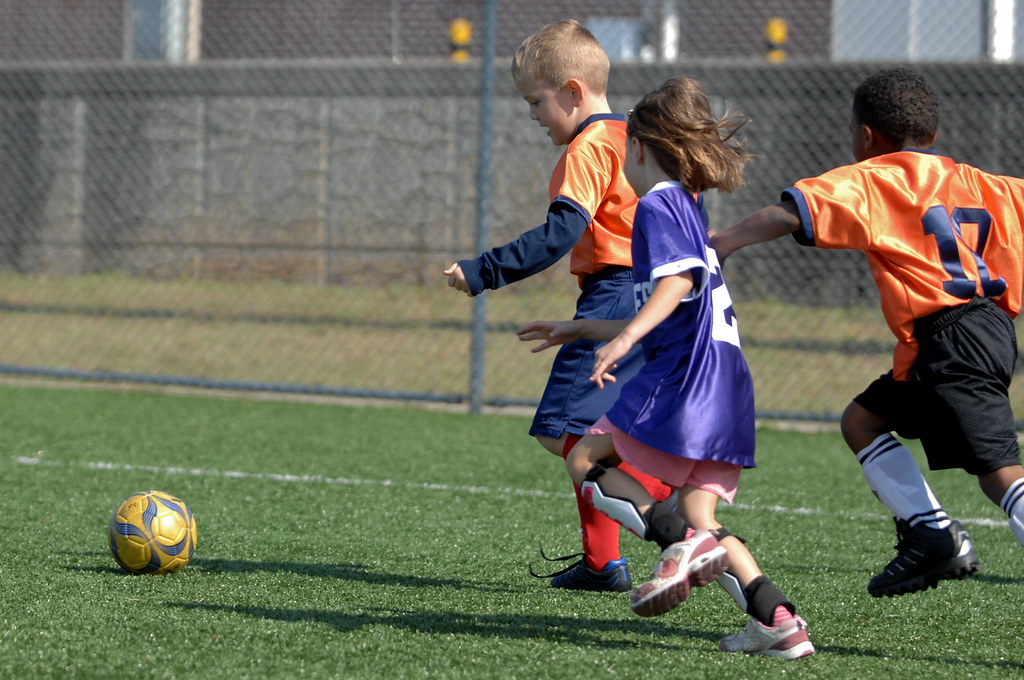
Breaking the Stigma
One of the first steps toward improving mental health in sports is breaking the stigma surrounding mental illnesses. Athletes, coaches, and sports organizations are increasingly vocal about mental health challenges, paving the way for a more supportive environment. This shift encourages athletes to seek help without fear of judgment or career repercussions.
Integration of Mental Health Programs
In response to the rising demand for mental health resources, many sports organizations are now integrating mental health programs into their training regimens. These programs often include:
- Workshops: Conducting regular sessions on stress management, anxiety reduction, and coping strategies.
- Access to Professionals: Providing athletes with direct access to psychologists and counselors specializing in sports psychology.
- Mindfulness Training: Implementing mindfulness and meditation practices that enhance focus and reduce performance anxiety.
The Role of Coaches in Supporting Mental Health
Coaches play a crucial role in the mental well-being of their athletes. By fostering an open and empathetic relationship, coaches can help athletes address their mental health concerns effectively. Here are some strategies coaches can adopt:
- Open Communication: Encouraging athletes to express their feelings and thoughts without fear of retribution.
- Team Building: Facilitating team-building activities that promote camaraderie and support among teammates.
- Education: Equipping themselves with knowledge about mental health issues to better assist their athletes.
Success Stories: Champions of Mental Health Awareness
Several athletes have emerged as champions of mental health awareness, inspiring many with their stories. In 2026, their influence continues to reshape the dialogue around mental health in sports:
- Naomi Osaka: The tennis superstar has been vocal about her struggles with anxiety, encouraging athletes to prioritize their mental health.
- Kevin Love: The NBA player has shared his experiences with panic attacks, advocating for mental health resources within the sports community.
- Simone Biles: By prioritizing her mental well-being during the Tokyo Olympics, Biles opened discussions on the pressures athletes face.
The Future of Sports and Mental Health
Looking ahead, the integration of mental health initiatives in sports is expected to grow. As we progress through 2026, several trends are likely to emerge:
- Increased Funding: More organizations will allocate resources towards mental health services for athletes.
- Research Growth: There will be a surge in research focused on the impact of mental health on athletic performance and overall well-being.
- Community Programs: Local sports clubs will implement community-based mental health initiatives to support athletes of all ages.
Conclusion: A Holistic Approach to Athletics
As we appreciate the pure athletic prowess displayed in sports, it is imperative to remember that behind every successful athlete lies a human being with feelings and emotions. By continuing to prioritize mental health alongside physical training, the sporting world can foster a more compassionate and resilient community. In 2026, let’s strive to support not just the body, but also the mind, ensuring that athletes can thrive both on and off the field.